
Graffi e Abrasioni: Come protegge la verniciatura a polvere!
L'aspetto esterno è direttamente associato alla qualità del prodotto e quindi anche al produttore. Facciate, mobili e altri pezzi rifiniti in modo decorativo non devono, quindi, apparire come nuovi solo il primo giorno. Ciò richiede una moltitudine di requisiti per il rivestimento: tra l'altro, deve perdere meno materiale possibile a causa di sollecitazioni meccaniche o attrito (= resistenza all'abrasione) e avere una maggiore resistenza all’impatto di oggetti taglienti (= resistenza ai graffi).
Rischi e Contromisure
Una verniciatura a polvere applicata correttamente, dopo un accurato pretrattamento, protegge la superficie da vari interferenze meccaniche. Tuttavia, questo non garantisce che non si verifichino danni nel tempo. Le parti esposte a sabbia, terra, ghiaia, spazzole e/o sostanze chimiche aggressive presentano un rischio particolare di danni dovuti ad abrasione/graffi.
La resina utilizzata per la verniciatura a polvere è un fattore decisivo, perché alcune resine hanno una maggiore resistenza meccanica rispetto ad altre. Per migliorare la protezione contro graffi, abrasioni e altri danni, le vernici a polvere possono essere trattate con alcuni additivi.
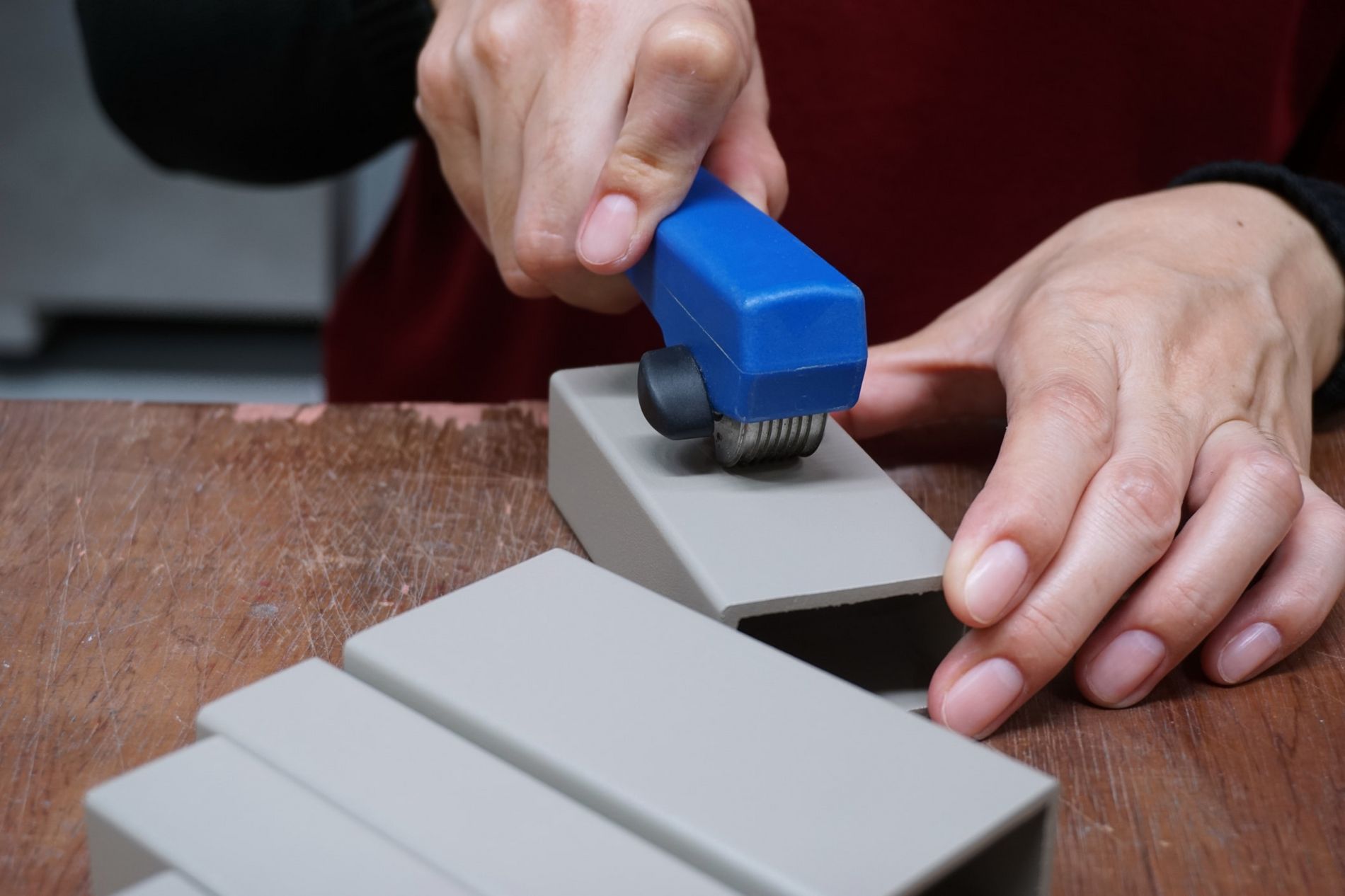
Quali sono le aree particolarmente colpite?
Architettura
I componenti di edifici rivestiti, come i pannelli delle facciate e i telai delle finestre, possono essere danneggiati da graffi o abrasioni già prima dell'installazione. Le sollecitazioni meccaniche agiscono sui componenti già durante la produzione - un pericolo per l'aspetto successivo. Una volta in uso, possono verificarsi graffi, soprattutto durante la pulizia. Per evitare che questo accada, si consiglia di seguire sempre le Raccomandazioni di pulizia generali.
Costruzione di mobili
Un mobile viene utilizzato ogni giorno, quando viene spostato, impilato su altri mobili o contaminato da sostanze che attaccano chimicamente la superficie. Ne consegue una maggiore predisposizione al danneggiamento.
Altre applicazioni esterne
I carichi già citati affettano anche gli oggetti installati all'aperto e/o in aree pubbliche. Ne sono un esempio i chioschi pubblici, che si trovano soprattutto nei ristoranti, nei centri commerciali e in strada.
Con TIGER contro l'abrasione
Rispetto alle qualità convenzionali, la formulazione di TIGER AR può migliorare la resistenza all'abrasione di circa il 100 % (misurata con il Taber Abraser), senza un'ulteriore usura dell'attrezzatura per l'applicazione della polvere.
La maggior parte dei prodotti TIGER Drylac® è disponibile su richiesta in formulazione resistente all'abrasione. Chiedete al vostro rappresentante TIGER per maggiori dettagli!
Back to overview
Back to overview