
Browse our WebShop for premium powder coating colors & finishes for Automotive Aftermarket
In the competitive landscape of the Automotive Aftermarket, the finish of a component is as critical as its engineering. Powder coating stands as the premier finishing technology for aftermarket manufacturers who require a combination of aesthetic excellence and uncompromising mechanical durability. Unlike other finishing methods, powder coating provides a thick, uniform protective layer that is bonded to the metal substrate through an electrostatic process and thermal curing.
For manufacturers of Aftermarket wheels, racks, guards, and trim components, powder coating offers a high-performance barrier against the harsh environments of the road, ensuring that products maintain their integrity and appearance long after they leave the job shop. This dry finishing process utilizes finely ground particles of pigment and resin, which are electrostatically charged and sprayed onto grounded metal parts. The result is a seamless coating that excels in edge coverage and impact resistance.
Our Most Popular Automotive Products
Our Most Popular Automotive Products
Automotive Aftermarket Color Card Vol.1
Built for performance, designed for impact — TIGER Drylac® introduces its expanded Automotive Aftermarket Series.
This digital color card comprises of a complete selection of durable powder coatings, designed for automotive applications, in bold tones and high-performance effects for every custom and component finish.
Why You Should Choose Powder Coatings for your Aftermarket Components
Extreme Durability and Impact Resistance: Aftermarket components such as brush guards, rock sliders, and wheels are subject to constant bombardment from road debris, gravel, and salt. Powder coating provides a hard, dense finish that is significantly more resistant to chipping, scratching, and abrasion than traditional alternatives. This durability ensures a longer service life for the component and reduces warranty claims for manufacturers.
Superior Corrosion Protection: Automotive parts are frequently exposed to moisture, road salts, and chemicals. High-quality powder coatings act as a robust barrier against oxidation. When applied correctly over a properly pretreated substrate, powder coating prevents the onset of rust, maintaining the structural integrity of safety-critical aftermarket assemblies.
Environmental Sustainability (Low VOCs): As North American environmental regulations tighten, powder coating offers a compliant, eco-friendly solution. The process involves virtually no volatile organic compounds (VOCs) and creates minimal waste, as overspray can be recovered and recycled within the application system. This allows manufacturers to meet sustainability goals without sacrificing performance.
Exceptional Aesthetic Versatility: The automotive aftermarket thrives on customization. Powder coating allows for a vast array of finishes, including high-gloss, matte, satin, metallic, and textured surfaces. With a portfolio of over 950 products, manufacturers can achieve precise color matching or develop unique custom looks for branded product lines. Reach out to us if you are interesting in developing a custom solution for your specific needs.
Cost Efficiency and High Transfer Efficiency: The powder coating process is highly efficient. Because the powder is solid, there is no solvent loss during application. The ability to reclaim overspray means that material utilization can reach close to 100%, providing a lower total cost of ownership for high-volume production runs compared to non-reclaimable finishing systems.
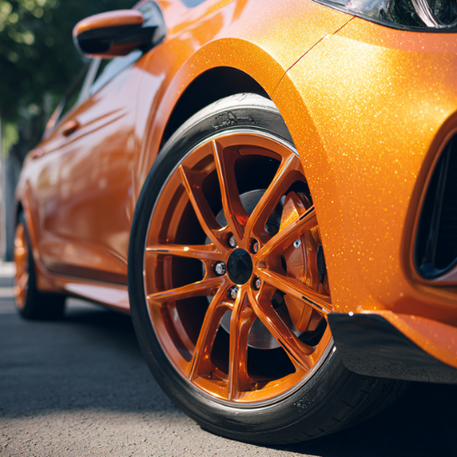
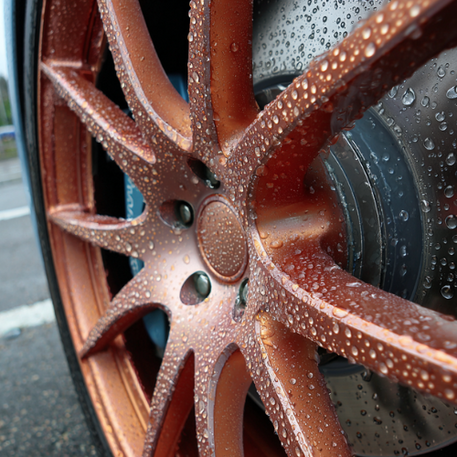
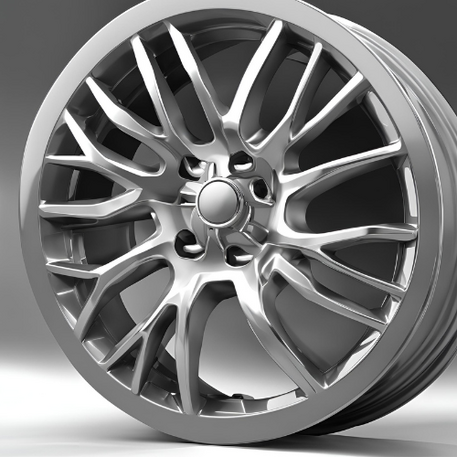
Where Powder Coating Delivers Proven Automotive Aftermarket Performance
Powder coating is effectively utilized across a wide spectrum of automotive aftermarket categories, providing specific advantages for different geometries and metal types:
Wheels and Rims
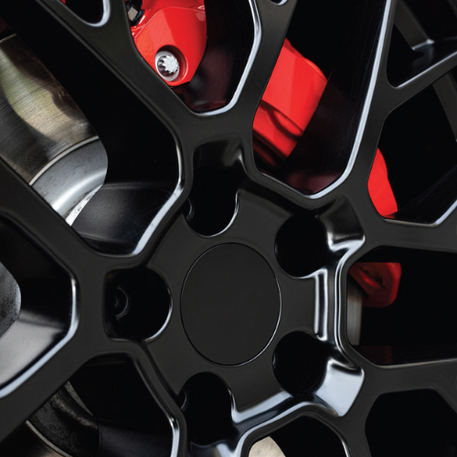
Aftermarket wheels are perhaps the most visible application.
Powder coating provides the thick film build and 360-degree coverage necessary to protect complex spoke designs from brake dust, heat, and road salt while offering premium finishes like gloss black or premium metallics.
Off-Road Accessories and Guards
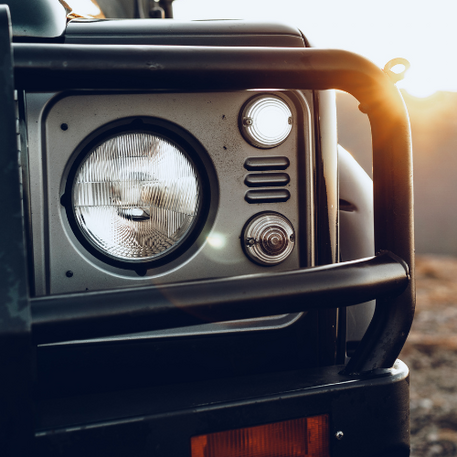
Off-road accessories such as grille guards require maximum impact resistance.
The heavy-duty nature of powder coating ensures these parts can withstand strikes from rocks and branches without the finish flaking or peeling, which would otherwise lead to rapid corrosion of the steel underneath.
Roof Racks and Exterior Cargo Trims
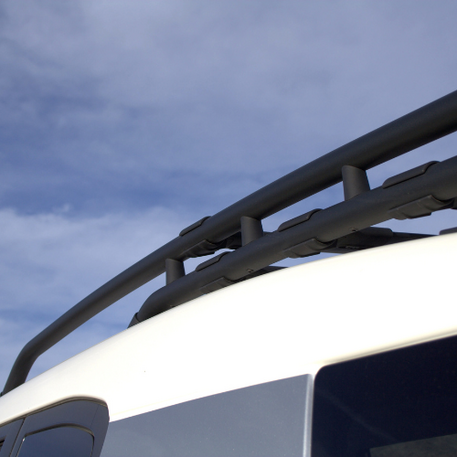
Racks and exterior trim are constantly exposed to UV radiation and fluctuating temperatures.
UV-stable powder coating formulations prevent fading and chalking, ensuring that the components maintain their color and gloss even after years of sun exposure.
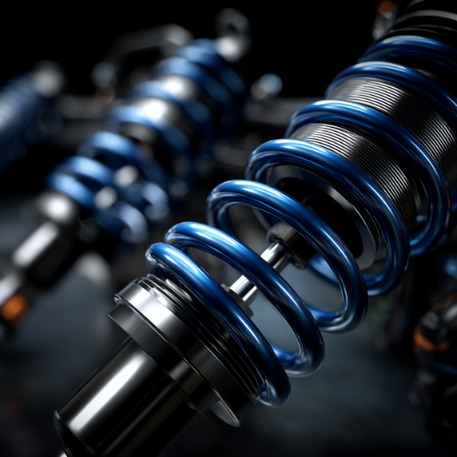
Suspension Components
Coil springs, control arms, and sway bars require a flexible yet durable finish.
Powder coatings designed for flexibility can withstand the mechanical stresses of suspension movement while protecting the metal from road spray and de-icing chemicals.
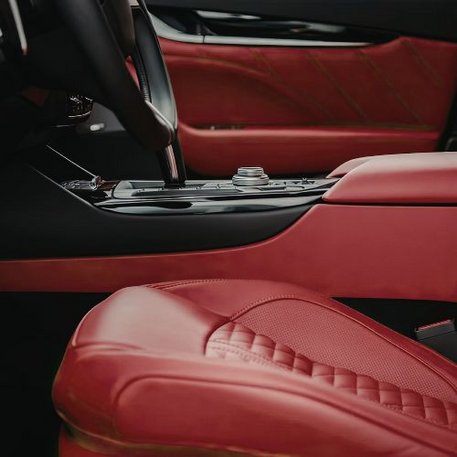
Interior Trim and Assemblies
While often focused on the exterior, powder coating is also used for seat frames, brackets, and interior trim where a consistent, low-gloss finish is required for a optimum surface finish.
Critical Coating Considerations for Aftermarket Parts
When selecting a powder coating supplier for aftermarket manufacturing, several technical factors must be considered to ensure optimal performance:

Substrate Compatibility
Powder coating is ideal for a wide range of metals used in the automotive sector, including cold-rolled steel, stainless steel, and aluminum. Each substrate requires specific pretreatment—such as zinc phosphate or chrome-free conversion coatings—to ensure maximum adhesion and corrosion resistances.
Curing Cycles and Thermal Mass
The thermal mass of the aftermarket part dictates the curing time and temperature. Manufacturers must work with powder suppliers to ensure that the coating reaches full cross-linking, especially on heavy assemblies like heavy-duty truck bumpers or racks, which take longer to reach the necessary metal temperature.
Edge Coverage
One of the unique features of powder coating is the "wrap" effect. Because the powder particles are electrostatically charged, they are attracted to the edges and corners of the part. This ensures that the areas most prone to corrosion in automotive environments receive a full, protective layer of coating.

Quality Control and Standard Compliance
Automotive manufacturers often require adherence to strict standards, such as those set by ASTM for salt spray resistance (ASTM B117) or cross-hatch adhesion (ASTM D3359). Selecting high-grade powder products ensures that these rigorous performance benchmarks are consistently met across every production batch.
Partner with a Powder Coating Supplier Built for Automotive Aftermarket
Elevate your aftermarket manufacturing standards with the industry's most versatile and durable finishing solution.
start browsing over 950 powder coating colors and finishes
Whether you are finishing high-volume aftermarket components or specialized accessories, our expert-grade powders provide the edge your brand deserves.
Frequently Asked Questions About Our Automotive Aftermarket Solutions
Powder coating can be engineered to perform reliably on engine components and exhaust accessories, provided the correct high-temperature formulation is specified.
Standard powder coatings typically withstand temperatures up to 250°F–300°F (120°C–150°C), making them suitable for many under-hood components such as:
- Valve covers
- Intake manifolds
- Engine brackets
- Heat shields
For higher-heat applications—such as exhaust components, headers, or turbo-adjacent parts—specialized high-temperature powder coatings are required. These coatings offer:
- Thermal stability at elevated temperatures
- Resistance to discoloration and coating breakdown
- Strong adhesion under thermal cycling conditions
For U.S. manufacturers and aftermarket brands, selecting the correct powder system ensures long-term durability and performance in heat-exposed automotive environments.
Yes, powder coating offers extensive custom color capabilities, making it ideal for branded automotive aftermarket components.
Manufacturers can achieve:
- Custom color matching (including brand-specific colors and RAL approximations)
- Wide finish options:
- Gloss, satin, matte
- Textured and wrinkle finishes
- Metallic and bonded effects
- Consistent batch-to-batch color control for production runs
This is especially valuable for:
- Performance parts brands
- Wheel manufacturers
- Off-road accessory companies
- EV aftermarket components
Powder coating ensures that branding remains consistent across product lines, while also delivering a durable, high-quality finish that holds up under real-world use.
A properly applied powder coating on an automotive component can last 5–20 years, depending on application, exposure conditions, and coating system.
Automotive parts benefit from powder coating’s resistance to:
- UV exposure and weathering
- Road debris and abrasion
- Chemicals such as oils, fuels, and road salts
- Moisture and corrosion
Typical lifespan varies by use case:
- Exterior parts (wheels, guards, racks): 5–15+ years
- Underbody/off-road components: 5–12+ years (depending on abrasion)
- Interior or protected components: 15–20+ years
For U.S. manufacturers and aftermarket suppliers, powder coating provides a long service life with minimal maintenance, reducing warranty issues and improving customer satisfaction.
Yes, powder coating is one of the most environmentally friendly finishing processes available to automotive manufacturers in the U.S.
Key environmental advantages include:
- Zero VOC emissions: No solvents are used, helping meet EPA air quality regulations
- No hazardous air pollutants (HAPs)
- High transfer efficiency: Overspray can be reclaimed and reused
- Reduced waste compared to liquid coatings
- Energy-efficient curing options with modern low-bake formulations
Additionally, the long lifespan of powder-coated parts reduces the need for recoating or replacement, lowering the overall environmental impact across the product lifecycle.
For manufacturers focused on sustainability, powder coating supports cleaner production and regulatory compliance.
Yes, powder coating is highly effective at preventing rust on steel aftermarket guards, such as:
- Bull bars
- Skid plates
- Rock sliders
- Truck and off-road protection systems
It works by forming a continuous, protective barrier that:
- Blocks moisture and oxygen from reaching the metal surface
- Resists impact and chipping that could expose bare steel
- Maintains adhesion under harsh environmental conditions
For optimal corrosion resistance, especially in U.S. regions with:
- Road salt (Midwest, Northeast)
- Coastal exposure (Florida, California)
- Off-road mud and water
A multi-layer coating system is recommended:
- Surface preparation (e.g., sandblasting or chemical pretreatment)
- Zinc-rich or corrosion-resistant primer
- Durable powder topcoat
This system significantly extends the lifespan of steel components and provides long-term rust protection in demanding environments.
Powder coating is widely preferred over liquid paint and other finishes for aftermarket wheels due to its superior durability, finish quality, and resistance to real-world driving conditions.
Key advantages include:
1. Impact and chip resistance
Wheels are constantly exposed to:
- Road debris
- Gravel
- Curbs and abrasion
Powder coating provides a thicker, more resilient coating layer that resists damage better than traditional paint.
2. Corrosion protection
Protects against:
- Road salt
- Brake dust
- Moisture
This is especially important in northern U.S. climates.
3. Heat resistance
Wheels are exposed to brake heat, and powder coatings maintain their integrity under elevated temperatures.
4. Superior finish consistency
- Smooth, uniform coating
- No runs or drips
- Excellent coverage on complex wheel geometries
5. Customization and aesthetics
- Wide range of colors and finishes
- Matte black, satin bronze, metallics, textures, and more
For aftermarket wheel manufacturers and performance brands, powder coating delivers a premium, durable finish that enhances both performance and visual appeal.