
Advanced Powder Coating Solutions for EV Chargers and Electrical Infrastructure
Introduction to EV infrastructure coatings
The global transition to electromobility necessitates a robust, reliable, and durable charging infrastructure. As EV battery manufacturers and automotive OEMs scale operations across North America, the longevity of the equipment supporting this transition—specifically EV charging stations, power electronics enclosures, and grid-support hardware—is paramount. Powder coating has emerged as the industry standard for finishing these components, providing a protective barrier that liquid paint simply cannot match. For manufacturers like TIGER Drylac, the goal is to provide a finish that ensures electrical energy collection systems remain functional and aesthetically pleasing for decades, even in the harshest outdoor environments.
EV charging infrastructure is unique because it combines high-voltage electrical energy collection with public-facing hardware. These units are often placed in high-traffic areas, coastal regions with salt-spray exposure, or urban centers where they face physical impact and chemical pollutants. Unlike traditional indoor electrical switchgear, EV chargers and transformer housing require a finish that balances dielectric properties with extreme weatherability. Powder coating provides a thick, even, and pinhole-free layer of protection that is essential for maintaining the integrity of the sensitive power electronics housed within these metal enclosures.
Why Powder Coatings Are Essential for EV Charging Infrastructure
Superior Corrosion Protection
EV chargers are frequently installed in environments where moisture, road salt, and humidity are constant threats. Powder coating, particularly when applied over a high-performing primer, offers exceptional corrosion resistance. By creating a dense, cross-linked polymer matrix, powder coatings prevent oxygen and moisture from reaching the metal substrate, thereby stopping the oxidation process before it starts. This is critical for utility hardware where structural integrity is a safety requirement.
UV Stability and Gloss Retention
Constant exposure to sunlight can degrade inferior coatings, leading to chalking, fading, and eventual film failure. High-performance powder coatings are engineered specifically to resist UV radiation. This ensures that brand colors remain vibrant, and the protective properties of the coating do not diminish over time. This is especially important for EV manufacturers who use the charging station as a brand touchpoint; a faded, peeling charger reflects poorly on the technology it houses.
Impact and Chemical Resistance
Charging stations are subject to physical abuse from charging cables, vehicle impacts, and even vandalism. Powder coating is significantly harder and more flexible than liquid alternatives, making it highly resistant to chipping and scratching. Furthermore, these coatings withstand exposure to tire cleaners, de-icing fluids, and other chemicals common in parking lots and roadway environments.
Key Coating Requirements for EV Enclosures and Power Electronics
Designing a coating system for an EV charger requires meeting specific technical benchmarks.
Thermal management is one such factor; as power electronics generate heat, the enclosure must be able to dissipate it without the coating acting as an insulator that causes overheating. Additionally, color consistency across different production batches and locations is vital for the modular expansion of the North American charging grid.
Powder Coating vs Liquid Paint for EV Infrastructure
When evaluating finishing methods, powder coating offers clear advantages over liquid paint in three main categories: efficiency, environment, and performance.

Environmental Impact
Powder coatings contain no solvents and release negligible Volatile Organic Compounds (VOCs). This allows EV manufacturers to align their production processes with the green mission of the electric vehicle industry.

Ease of Application
Liquid paint is prone to sagging and uneven thickness, often requiring multiple coats to achieve the protective levels that powder application provides.

Cosmetic Quality
Powder coating provides a more uniform finish, giving your surfaces better aesthetic appeal.
Performance Needs: Thermal and Dielectric Considerations
In the context of electrical infrastructure, the coating is more than just a decorative layer; it is a functional component. For internal components of EV chargers and battery housings, specialized powder coatings can provide dielectric insulation to prevent electrical arcing. Conversely, for the exterior housing, the coating must allow for adequate thermal exchange.
TIGER Drylac works with OEMs to select the correct resin chemistry, typically polyesters for outdoor UV resistance or epoxies for internal chemical and electrical resistance—to meet these demands.
Common EV Infrastructure Components Protected with Powder Coatings
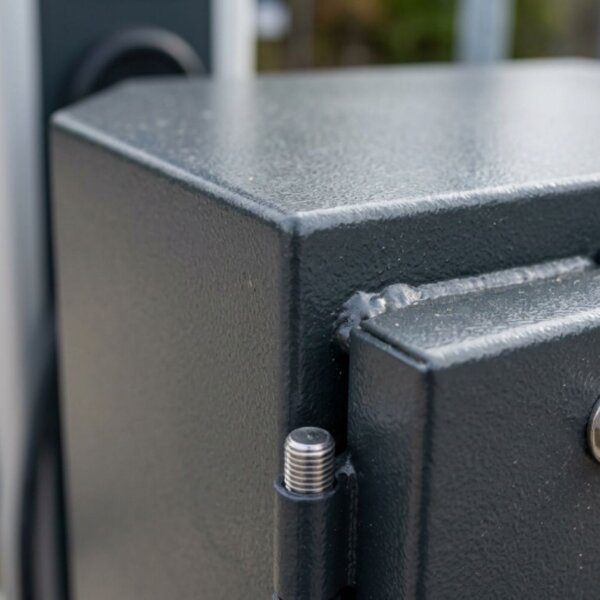
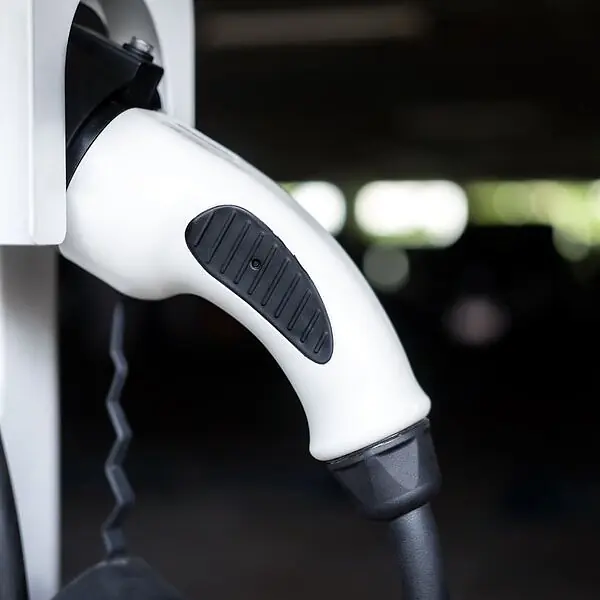
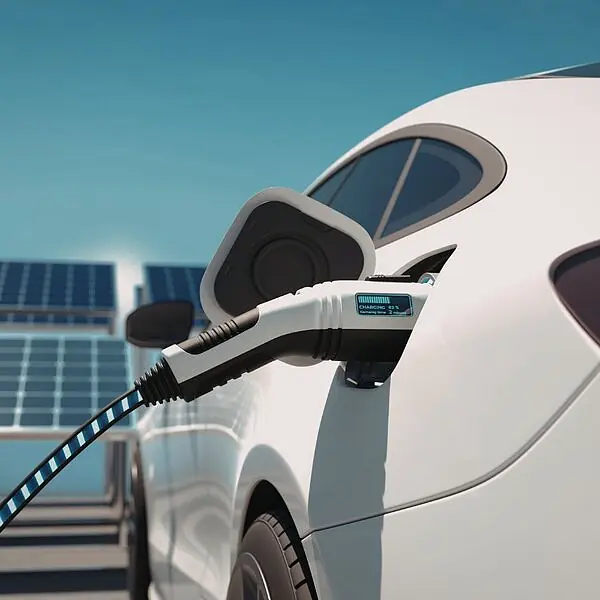
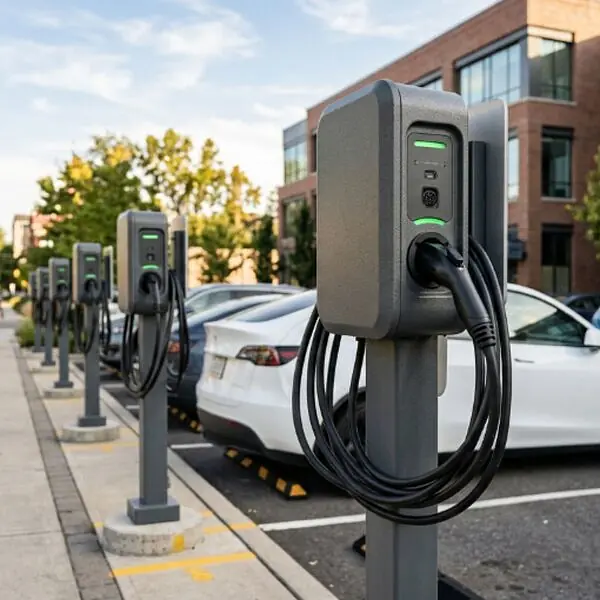
EV Charging Pedestals: The primary user interface, requiring high-touch durability and UV resistance.
Transformer Housings: Large-scale enclosures that require long-term corrosion protection in utility-grade settings.
Switchgear Cabinets: Critical for grid-support and energy distribution, requiring high dielectric strength.
Power Electronics Chassis: Internal frames that hold the rectifiers and inverters, benefiting from the chemical resistance of epoxy-based powders.
Grid-Support Metal Hardware: Support structures and brackets used in the installation of the broader utility grid.
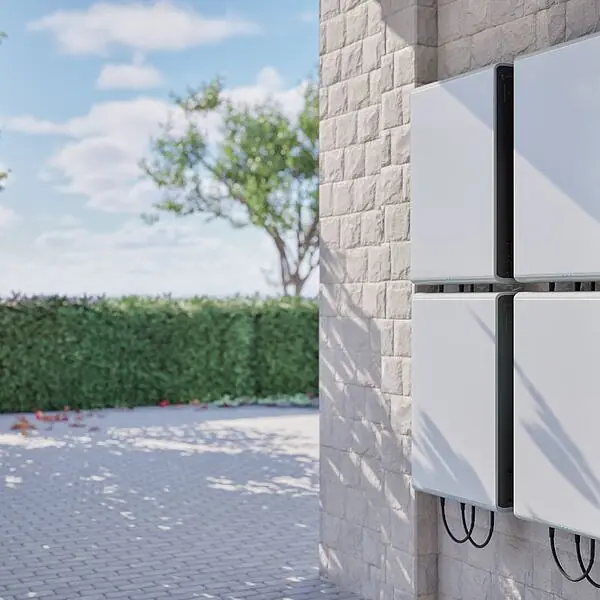
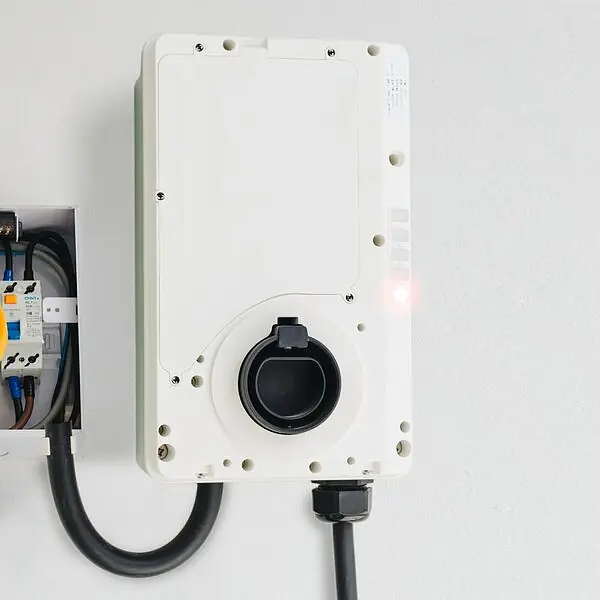
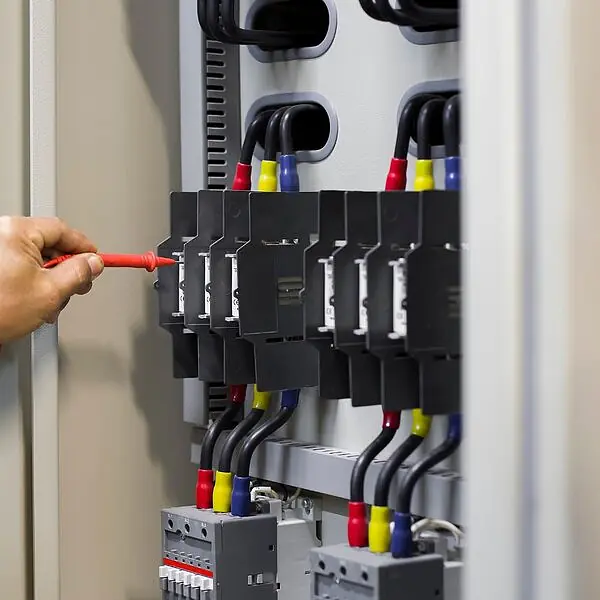
TIGER’s Powder Coating Solutions for EV Charging Station OEMs
TIGER Drylac provides a range of solutions targeted specifically for the electrical energy market.

For EV battery manufacturers and infrastructure developers in North America, TIGER offers localized support to ensure that our powder coatings meet your demands.
Practical Considerations / Selection Criteria
When selecting a powder coating for EV charging hardware, engineers should consider the following:
Substrate Material: Is it aluminum, galvanized steel, or cold-rolled steel? Each requires specific pretreatment to ensure adhesion.
Environmental Zone: Will the unit be in a C5-M (Marine) environment or a dryer, C3 (Urban) environment?
Application Method: Automatic or manual spray? This affects the charging and transfer efficiency of the powder.
Gloss Level: High-gloss finishes are easier to clean but show imperfections more readily than matte or textured finishes.
Summary / Key Takeaways
Powder coating is the indispensable finishing solution for the EV charging industry. Its combination of environmental sustainability, extreme durability, and protective performance makes it the only viable choice for the hardware that powers the future of transportation.
For EV chargers and infrastructure developers, partnering with a leader in EV powder coatings like TIGER Drylac, ensures that components across North America are protected by the highest standard of powder coating technology.
UV-resistant coatings for electrical enclosures are preferred because they provide a much thicker, more durable protective layer in a single application compared to liquid paint. They are fundamentally more resistant to chipping and scratching, which is critical for equipment in high-traffic public areas.
For coastal or marine environments (C4 and C5 classifications), TIGER Drylac recommends a two-coat system consisting of a high-zinc or zinc-free anti-corrosive primer followed by a super-durable polyester topcoat. This system, known as TIGER-Shield, is designed to provide exceptional salt-spray resistance and protect the metal substrate from oxidation for significantly longer periods than standard single-coat applications, ensuring a service life measured in decades.
Absolutely. Specialized epoxy-based powder coatings can act as an electrical insulator for internal components such as battery trays, busbars, and power electronics chassis. These coatings help prevent electrical arcing and short-circuiting between adjacent high-voltage parts.
BESS powder coatings are widely preferred because they provide superior durability, corrosion resistance, and long-term weather protection compared to traditional liquid paints. Since Battery Energy Storage Systems (BESS) are typically installed outdoors, coatings must withstand UV exposure, temperature fluctuations, humidity, and chemical exposure. Powder coatings create a uniform, high-performance protective barrier that helps extend equipment lifespan and reduce maintenance costs.